When purchasing glass bottles for cosmetics, many buyers tend to focus their attention primarily on price; however, experienced brands know that the true difference lies in the small details. If you wish to avoid costly mistakes, here are several questions you can use to evaluate any manufacturer before formally placing an order.
1.Minimum Order Quantity (MOQ)—Clarify this first:
First, be sure to confirm the Minimum Order Quantity (MOQ). For instance, if you are developing a 50ml cream jar or airless container, ask the supplier whether they accommodate flexible order quantities. This is particularly important for smaller brands that are still in their growth phase.
2.Material Quality
It is essential to require clear disclosure of both the inner layer material (e.g., food-grade PP) and the outer layer material (e.g., acrylic).Material structure constitutes another critical consideration. For high-end packaging, many brands favor a combination featuring a "PP inner liner paired with an acrylic outer shell," or opt for thick-walled frosted glass to evoke a sense of luxury. Frosted glass, in particular, not only helps elevate brand positioning but also effectively safeguards light-sensitive product formulations. Furthermore, be sure to consult with your supplier regarding leak-proof and vacuum integrity testing protocols. Reputable manufacturers typically conduct rigorous quality inspections to ensure product safety during transit and throughout long-term use.
3.Formula Compatibility
Don't just ask if the container can hold the product's contents; instead, inquire about the "Vacuum Leakage Test." For high-end face creams containing active ingredients (such as retinol), the inner liner material must be PP. If a supplier doesn't proactively mention the "Inner Disc Seal," you should pass on them immediately. You can ask the following specific question: "Are these materials chemically compatible with active ingredients like retinol or peptide creams?"
4. Glass Type and Tactile Feel
Thick-walled glass serves not only to provide drop resistance but, more importantly, to convey that substantial, "weighty" tactile sensation. Specific requirement: Frosted glass (which offers the most luxurious feel) or thick-walled clear glass.
5. Prioritize an Assessment of Customization Capabilities
A professional supplier of glass cosmetic bottles typically offers various finishing techniques, such as silk screening and hot stamping. Notably, gold hot stamping can significantly enhance a product's premium appeal, whereas standard printed "gold" often appears inexpensive.
6. Bottle Cap Details
For example, the inner cap and the cap structure. An inner cap effectively prevents leakage and enhances the user experience; while high-end cap designs, such as gold plating or a black and gold combination, help reinforce the brand's premium visual consistency. Your cosmetic glass bottle needs to align with your brand identity. Ask about these specific decoration techniques:
Hot Stamping (Gold Foil): This is the best option for a luxury aesthetic.
Cap Finishes: Request gold electroplating or matte black with a gold rim to keep your branding consistent across your entire cosmetic glass bottle line.
7.Sampling
Do not rely solely on images before proceeding with mass production; you must request 2 to 3 physical samples. Never skip the sampling stage prior to large-scale manufacturing. Be sure to request at least two or three samples to evaluate their weight, texture, and surface finish. High-quality cosmetic glass bottles typically feel substantial in the hand—with a single bottle generally weighing between 150 and 250 grams. If a bottle feels excessively lightweight, it often conveys a lower perceived value.
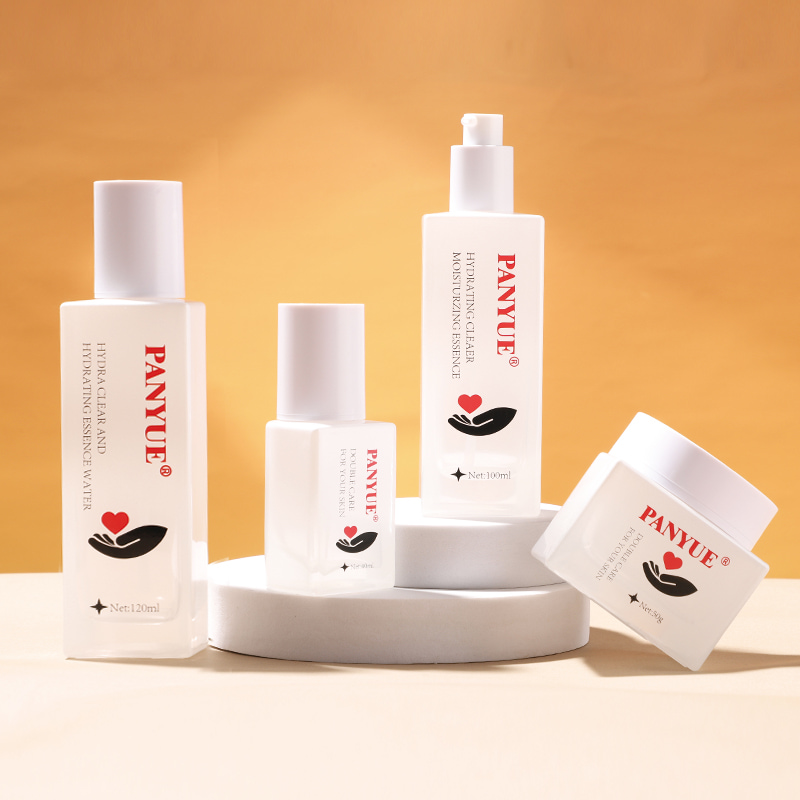
Overall, Selecting the right cosmetic glass bottle manufacturer is not about finding the lowest price—it is about finding a partner who understands quality, customization, and branding.